Across miles of savanna, every photograph began with waiting. In the space between empty roads and sudden presence—the soft dust, faint tracks, the hush before a gaze appears—light, movement, and a little luck align. Made in early mornings and late light, these images come from the quiet practice of looking; Africa doesn’t rush—it offers, and when it does, you have to be there.
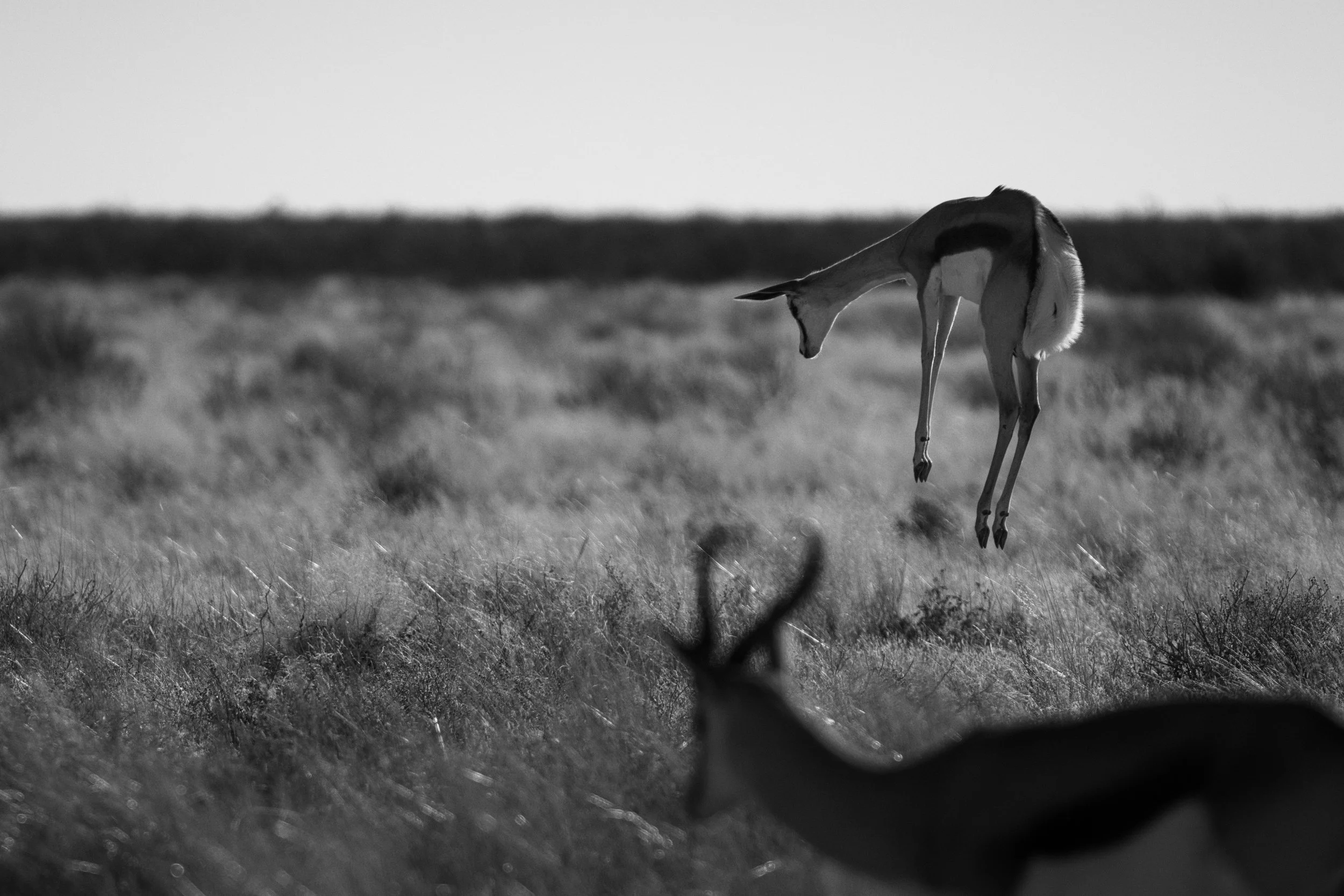
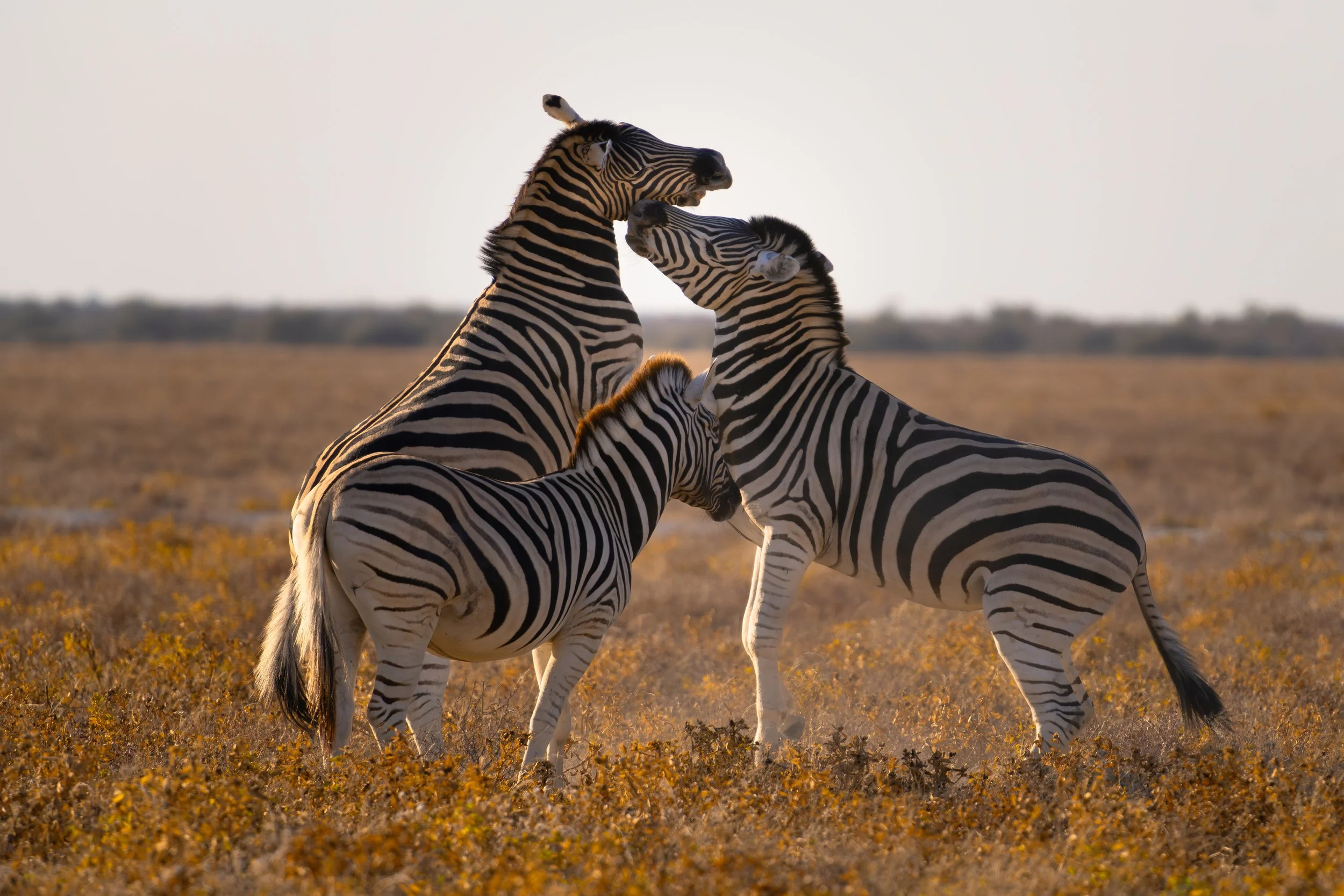
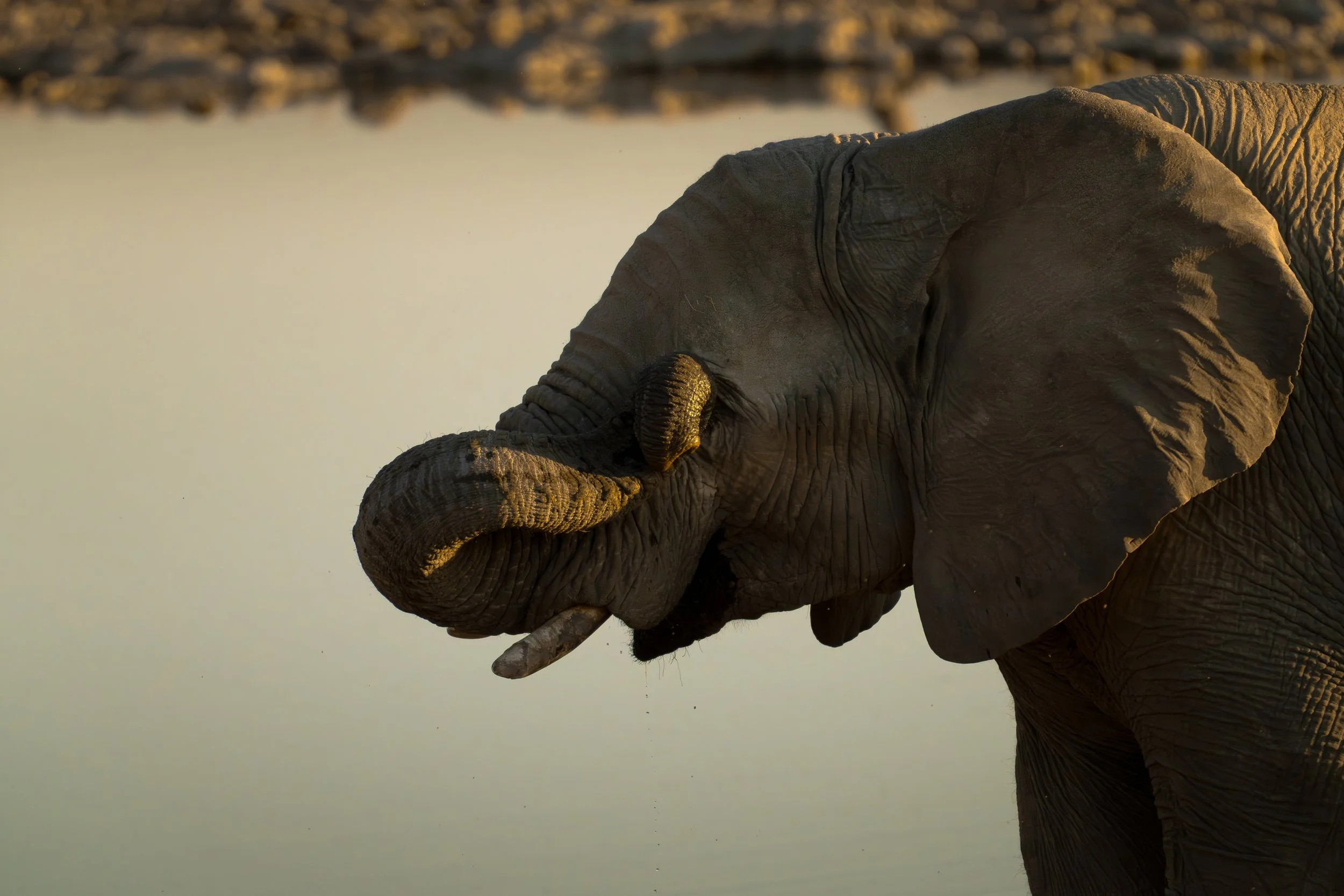
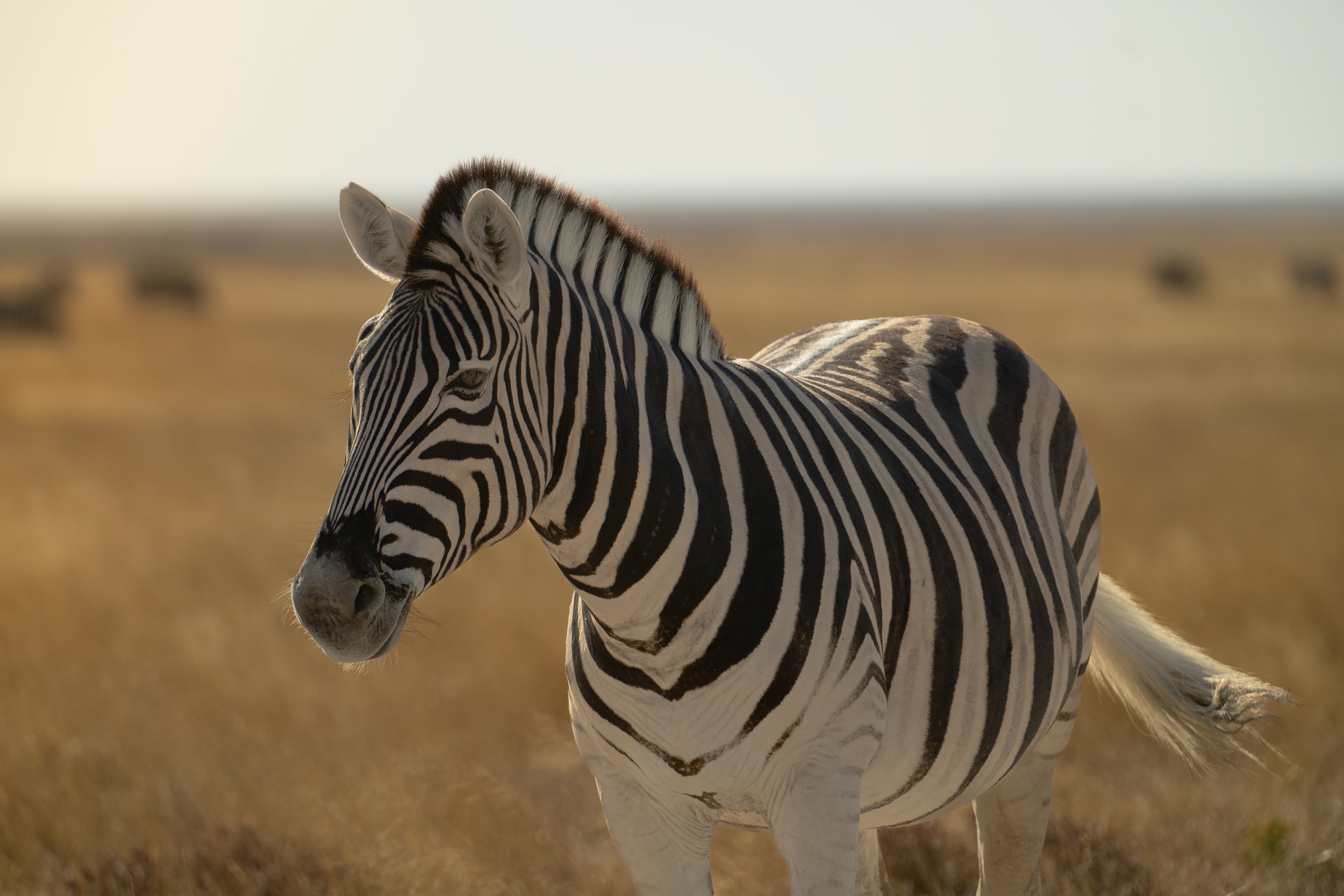
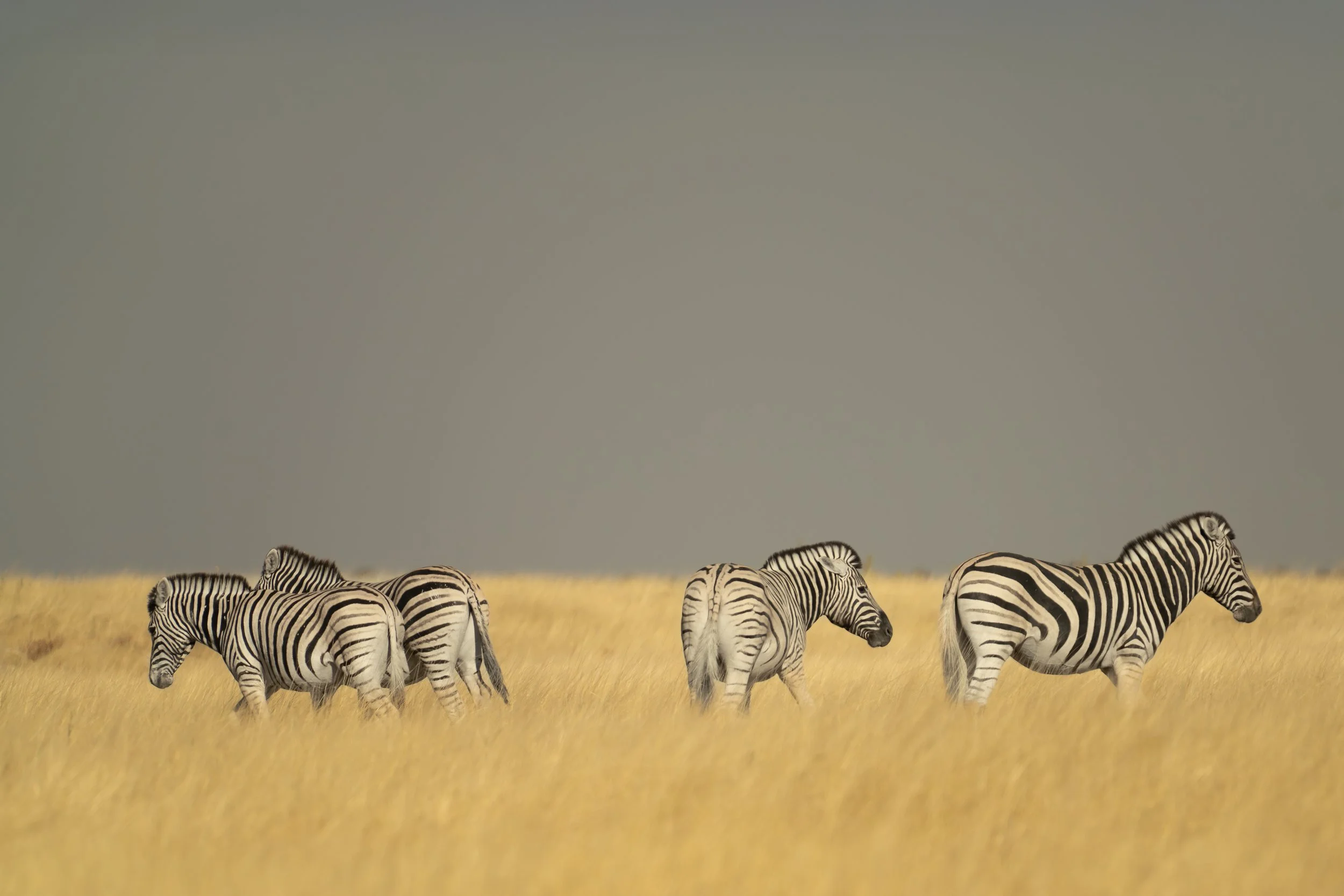
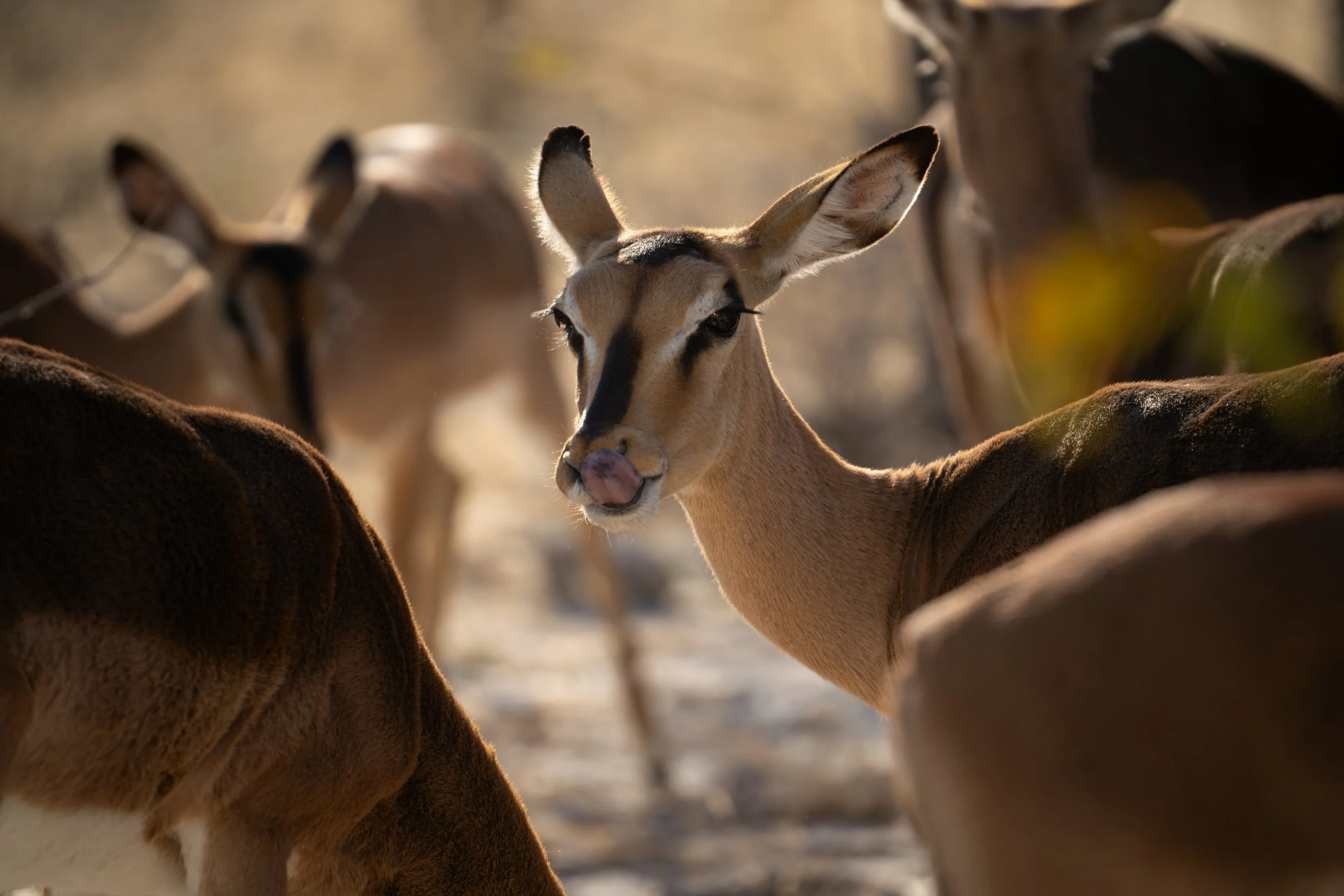
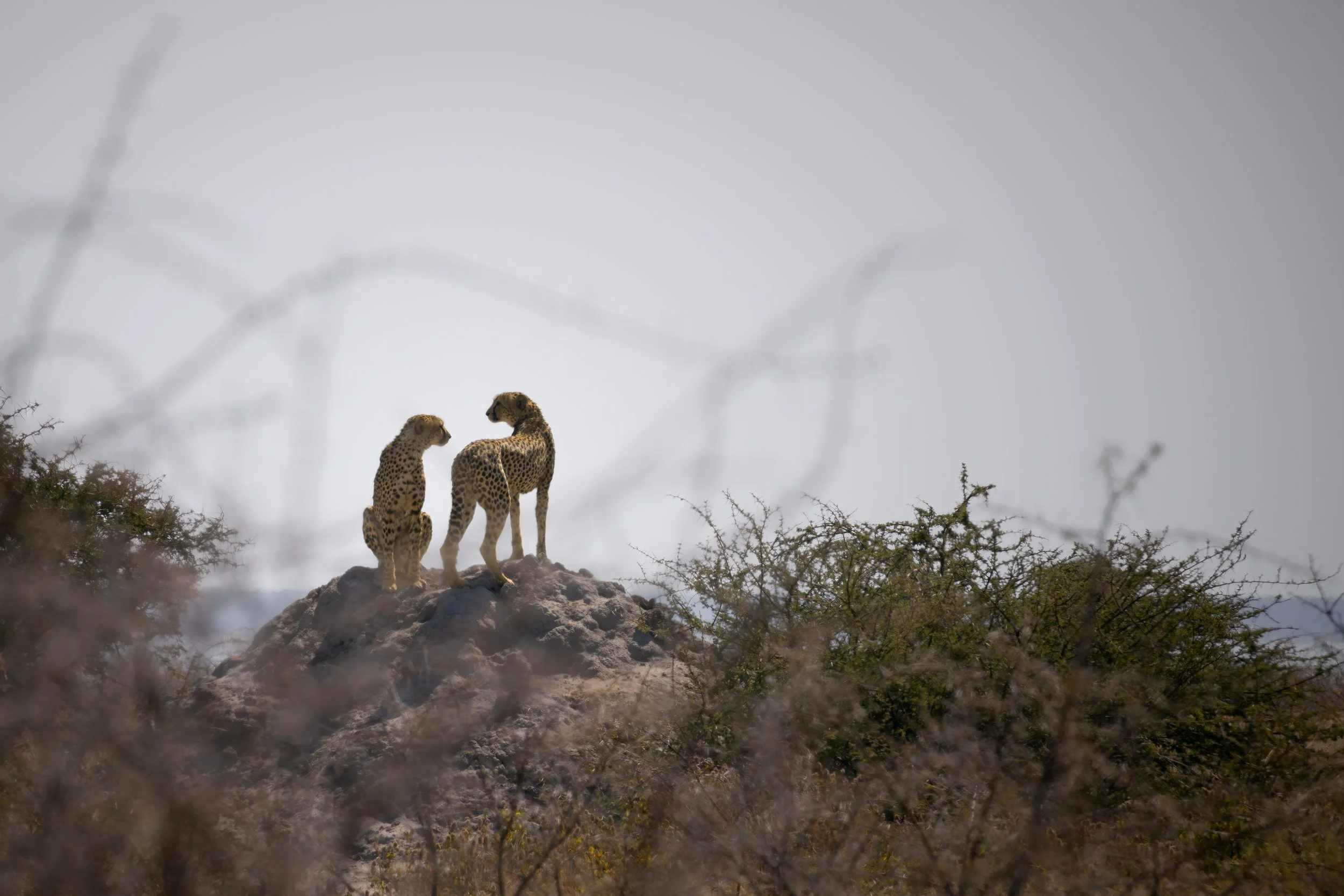
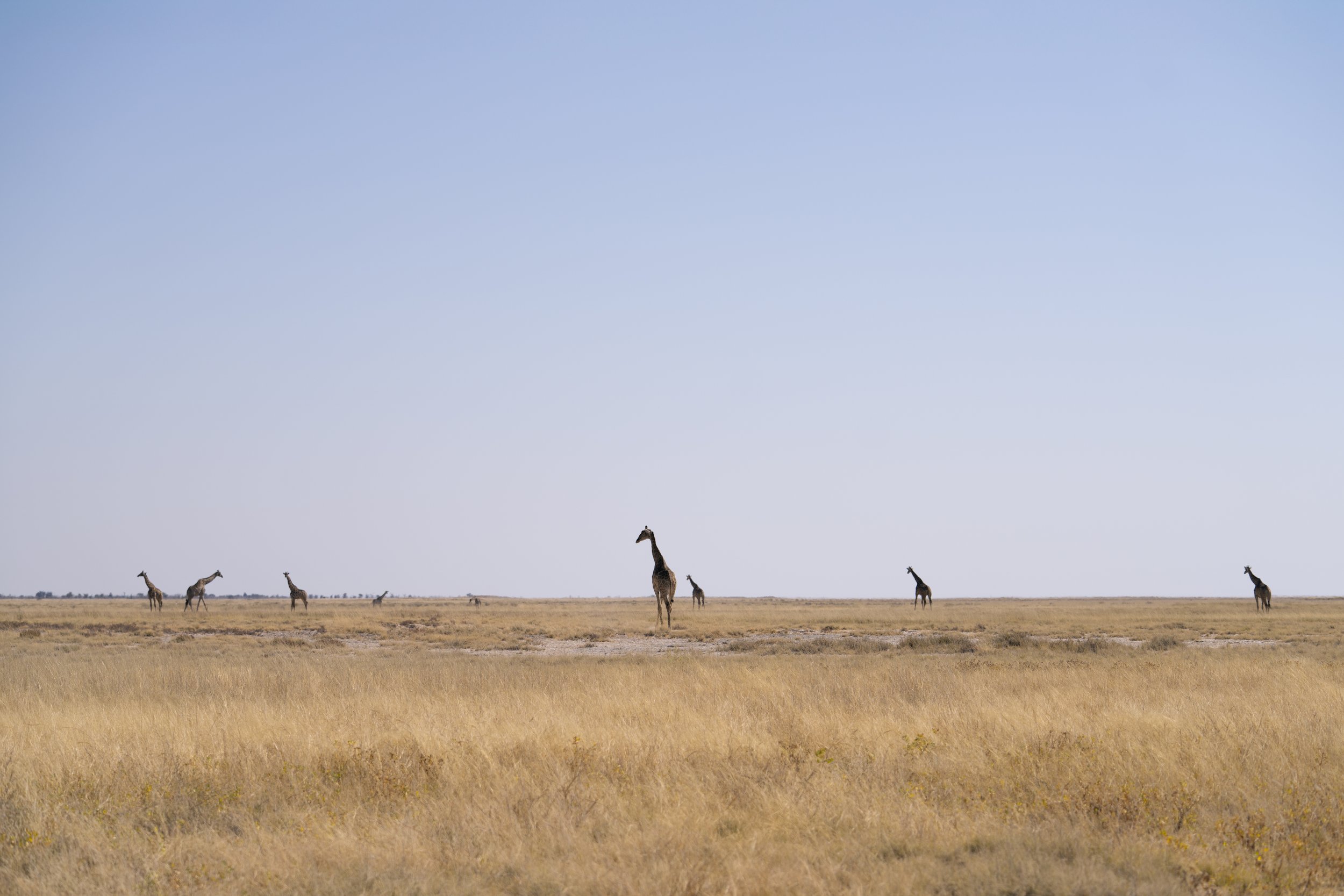
It all started with the idea of discovering a new continent and observing species that we Galapagueños aren’t used to seeing.
In this quick blog I’ll share how I traveled from Santa Cruz (Galápagos) to Namibia, what to pack, and a few notes on animals and places you might find interesting. I’ll also include a short intro to Etosha National Park.
Why Namibia?
Namibia is famous for its stunning landscapes and the wildlife that thrives across vast savannas and deserts. To see the most emblematic species, you’ll want to visit a national park—later on I’ll add details about Etosha.
When to go & what to pack
Packing depends on the season. If you go in July–August (the dry season), you won’t need a rain jacket. Like most deserts, temperatures swing a lot between day and night. Pack for two weathers:
Hot for midday
Cold for early mornings and nights
Essentials: sunglasses, sunscreen, a hat, and hiking shoes.
Photography gear
If you’re into photography, I highly recommend a telephoto lens for wildlife and something around 24–35 mm for landscapes (a 23 mm is fine too). Bring a tripod and extra batteries.
Getting there (Galápagos → Namibia)
I flew from Santa Cruz (Galápagos) to Guayaquil, then Lima, then São Paulo (Brazil). There aren’t daily flights into southern Africa, so you may transit through a hub. São Paulo is one of the most crowded cities in the Americas—great for a quick stop, some famous streets, and last-minute shopping.
Next, fly to South Africa and land in Johannesburg, then connect to Windhoek, Namibia (about 2 hours).
Sample itinerary, Day 1 (travel):
Puerto Ayora → Guayaquil
Guayaquil → Lima
Lima → São Paulo
Sample itinerary, Day 2 (travel):
São Paulo → Johannesburg
Johannesburg → Windhoek (Namibia)
Expect to spend a couple of days traveling to the continent where human life began millions of years ago.
Arrival in Windhoek
Windhoek is Namibia’s capital. You’ll find paved roads and well-developed services—there’s a big misconception about Africa’s infrastructure. As with any major destination, cities offer reliable basics.
You’ll need to present your visa (or visa-exemption documents) at immigration. Have a clear itinerary with the places you’ll visit, your accommodation details, and printed confirmations (hotels/Airbnbs). (Add your official visa link here when you have it.)
How to explore Namibia (two budget levels)
Rent a car + sleep at hotels/lodges (more expensive).
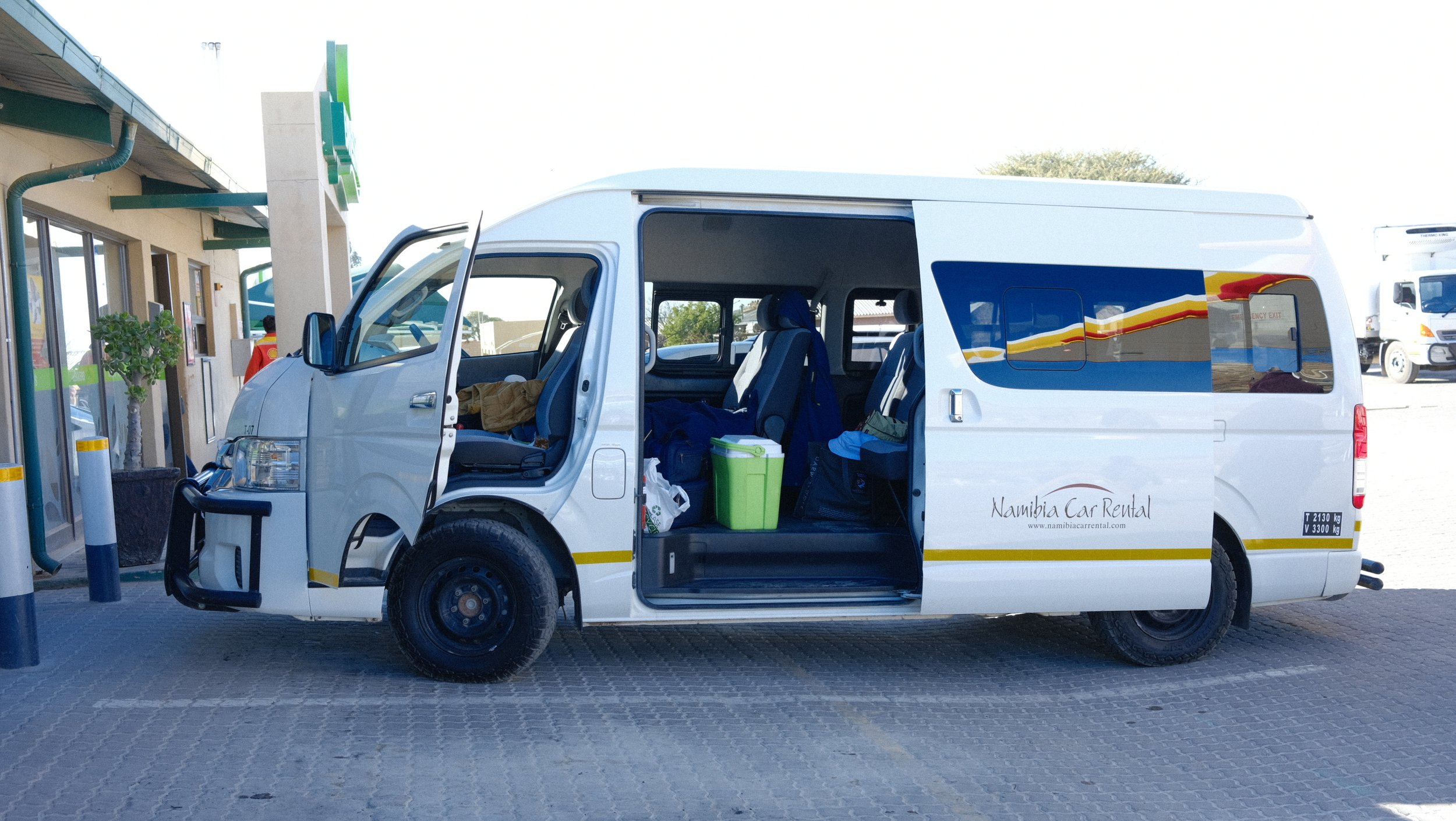
Rent a car + sleep in the vehicle (cheaper).
Sleeping in cars/camper setups is common in Namibia and can save a lot of money.
You can book rental cars online in advance (e.g., namibia2go.com). Most companies provide vehicles well prepared for rough roads. Make sure you have tools for changing a tire. Mobile internet is very useful, but in some stretches you may drive for hours without seeing anyone.
Fuel, food & security tips
Fill up before long drives; stations are frequent in cities but sparse in remote areas.
Carry water, snacks, and a cooler (yes, keeping the beers cold matters!). There is plenty of places to get different type of groceries.
Never leave windows down or doors unlocked, especially with valuables like cameras.
If you go to a bar ask for Rock Shandy.
Day 1 in Windhoek
I stayed near the airport to avoid city traffic and recover from the flights.
Early starts win in Namibia
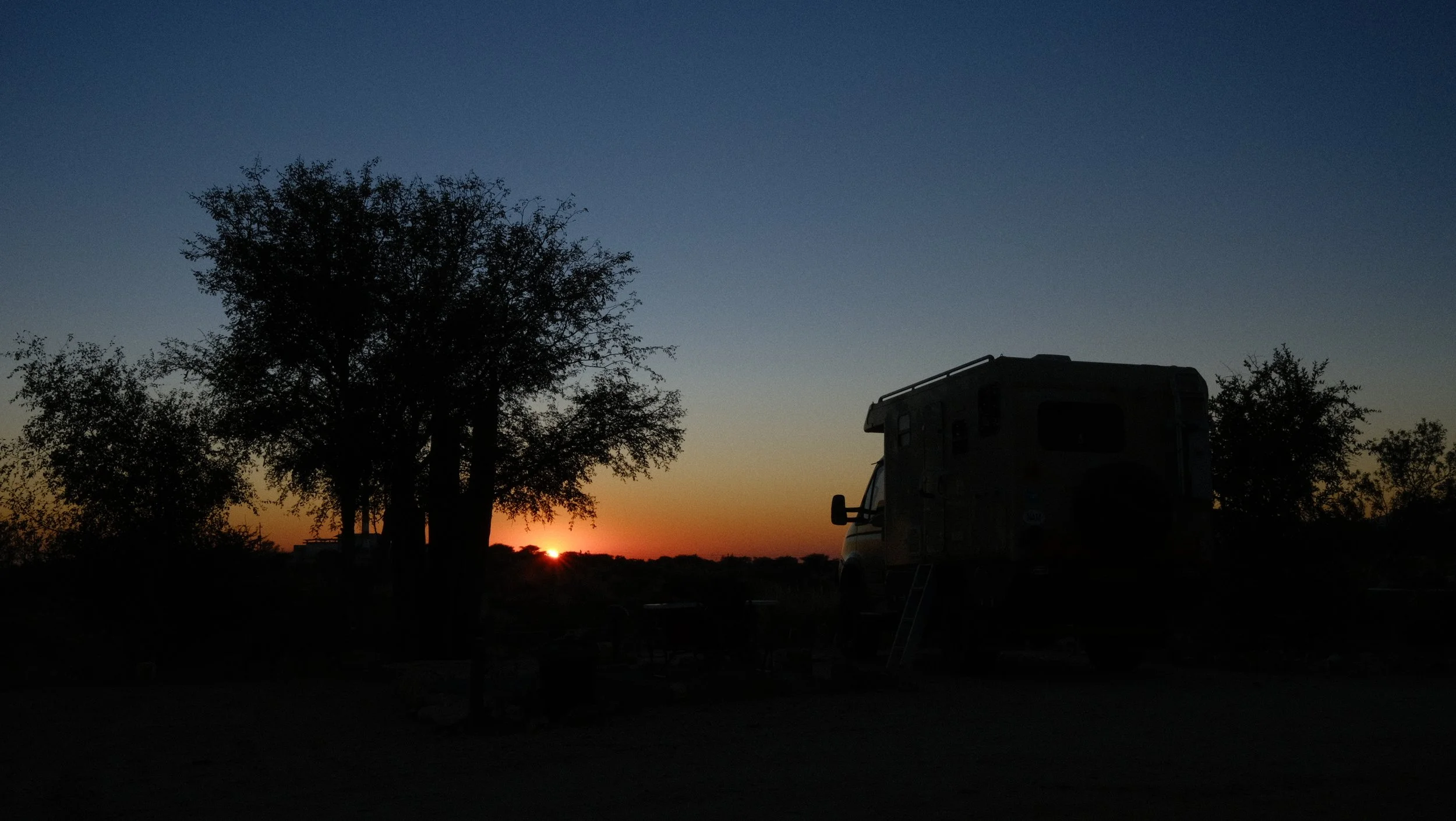
I started very early the next day. Get used to waking up early and going to bed early—if you’re traveling in Namibia, it’s important to drive when the sun is up and avoid driving at night. After all, nature (humans included) is unpredictable, and once you enter national parks the rule is to be back at your lodge before sunset. That simple habit keeps you safe from both wildlife and the occasional human troublemaker 😅.
You’ll quickly learn that almost any animal can be dangerous if you get too close or they feel bigger than you. So here’s Rule #2: inside national parks, never step out of the car unless you’re in a designated safe area.
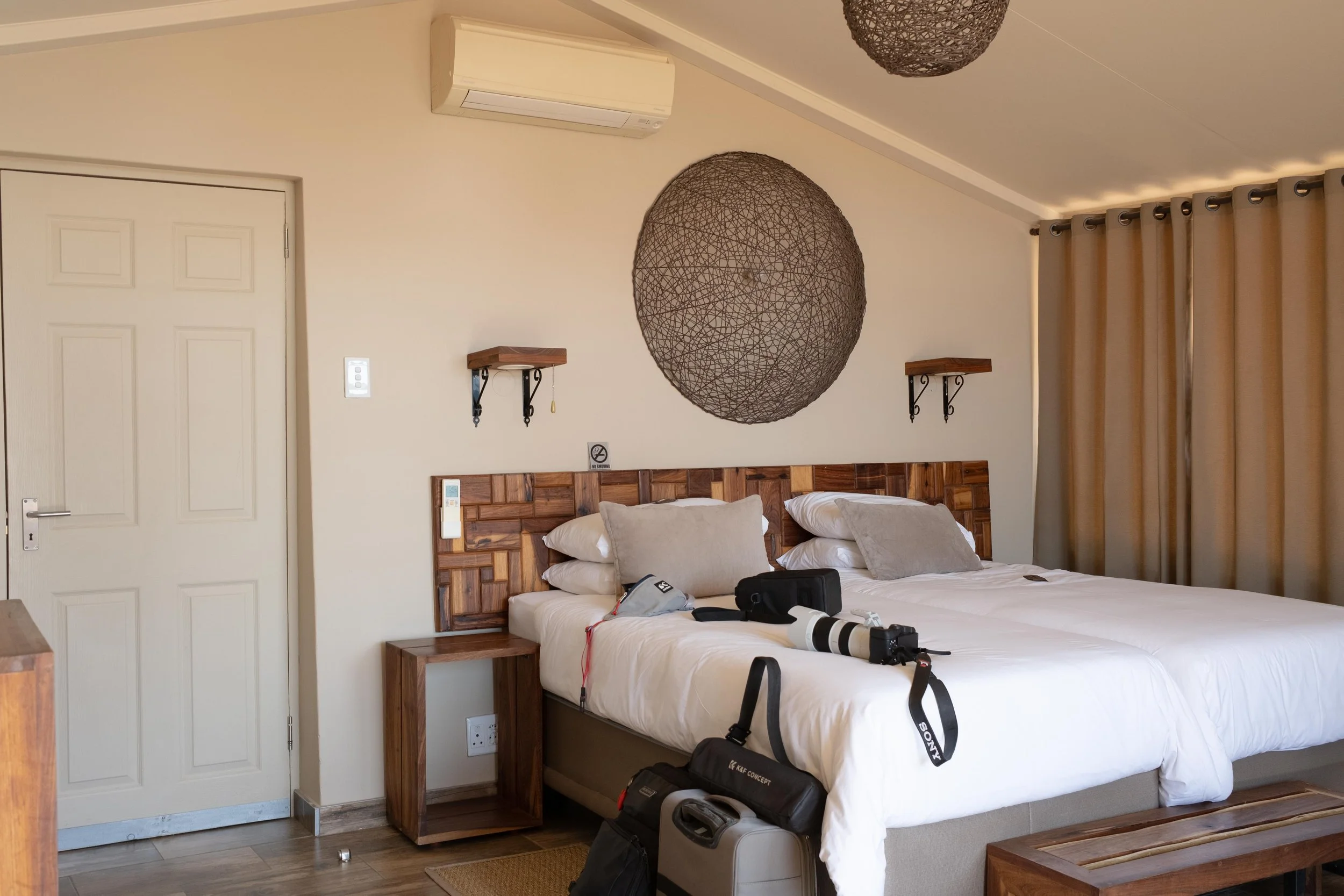
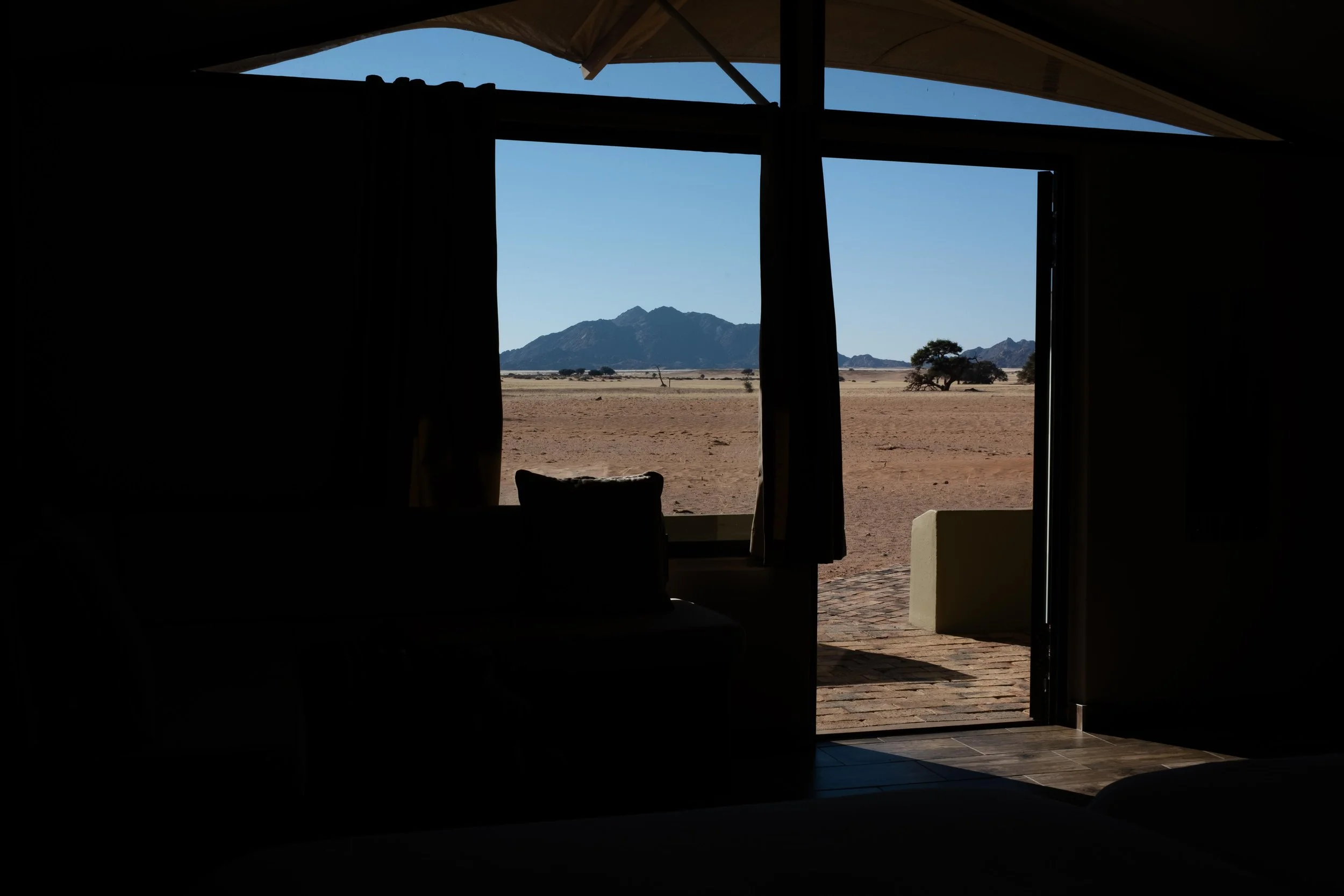
We drove for almost [8 hours] until we reached the Namib Desert. In this area we stayed at Sossuvlei Lodge
Into the Heart of the Namib
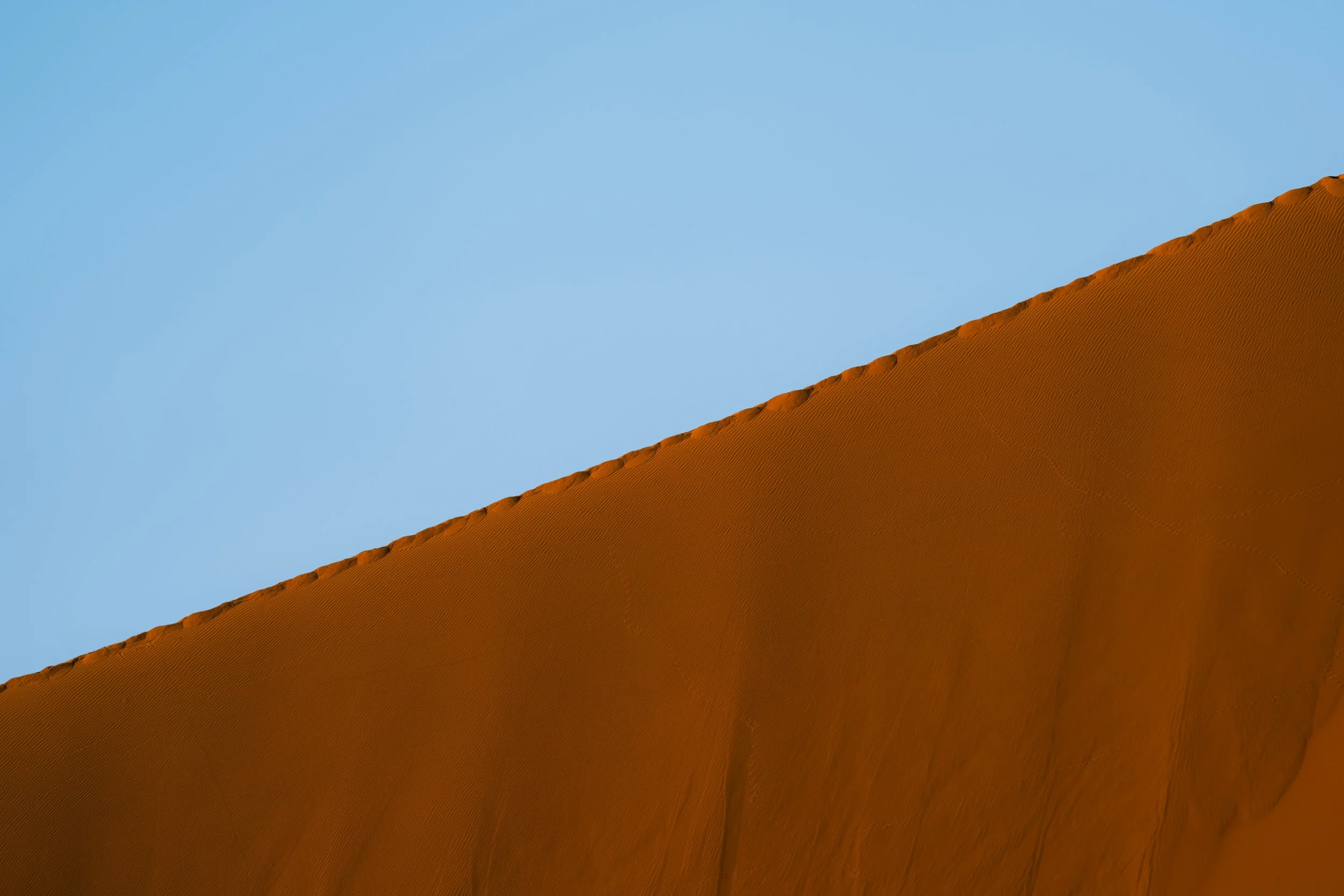
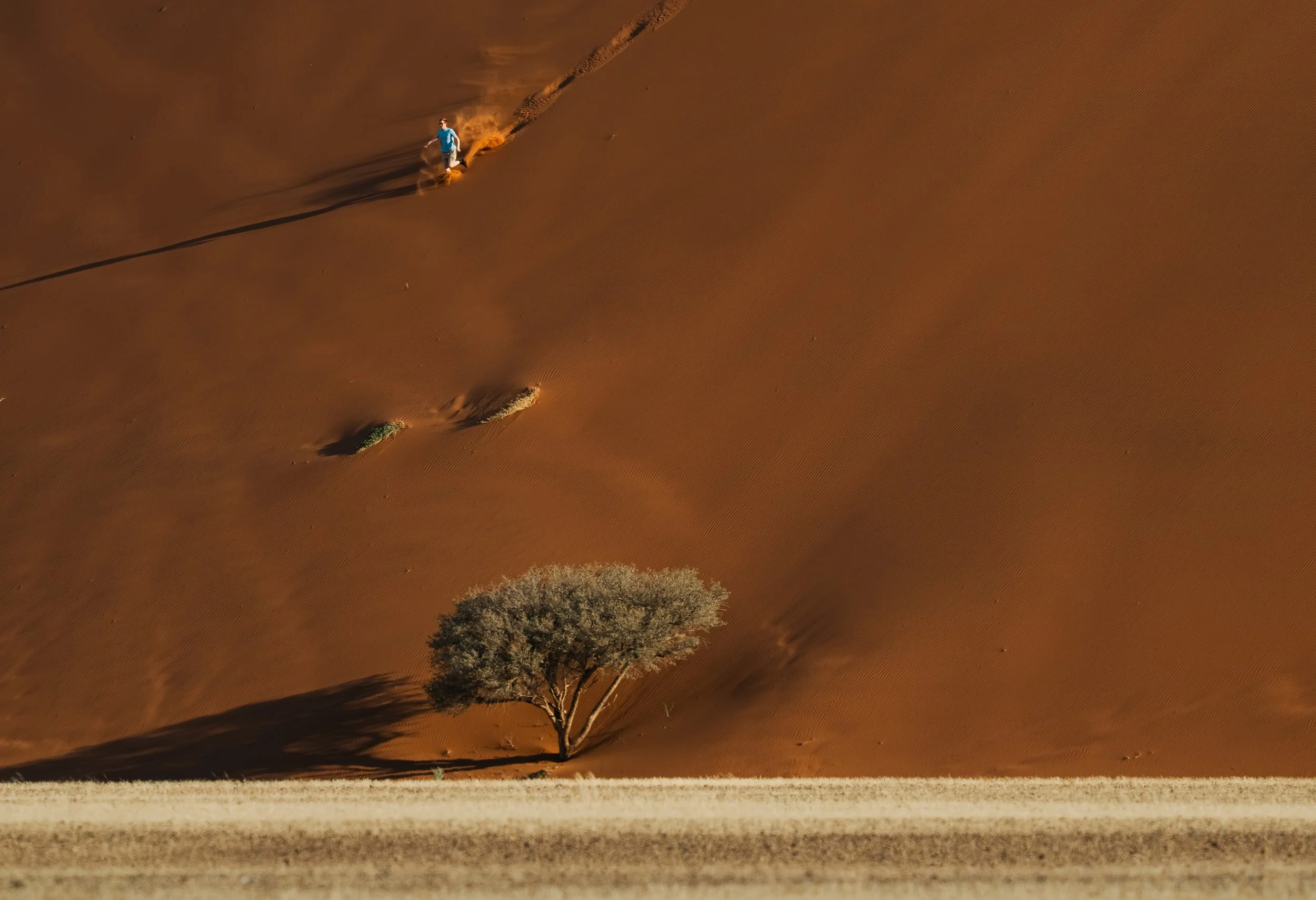
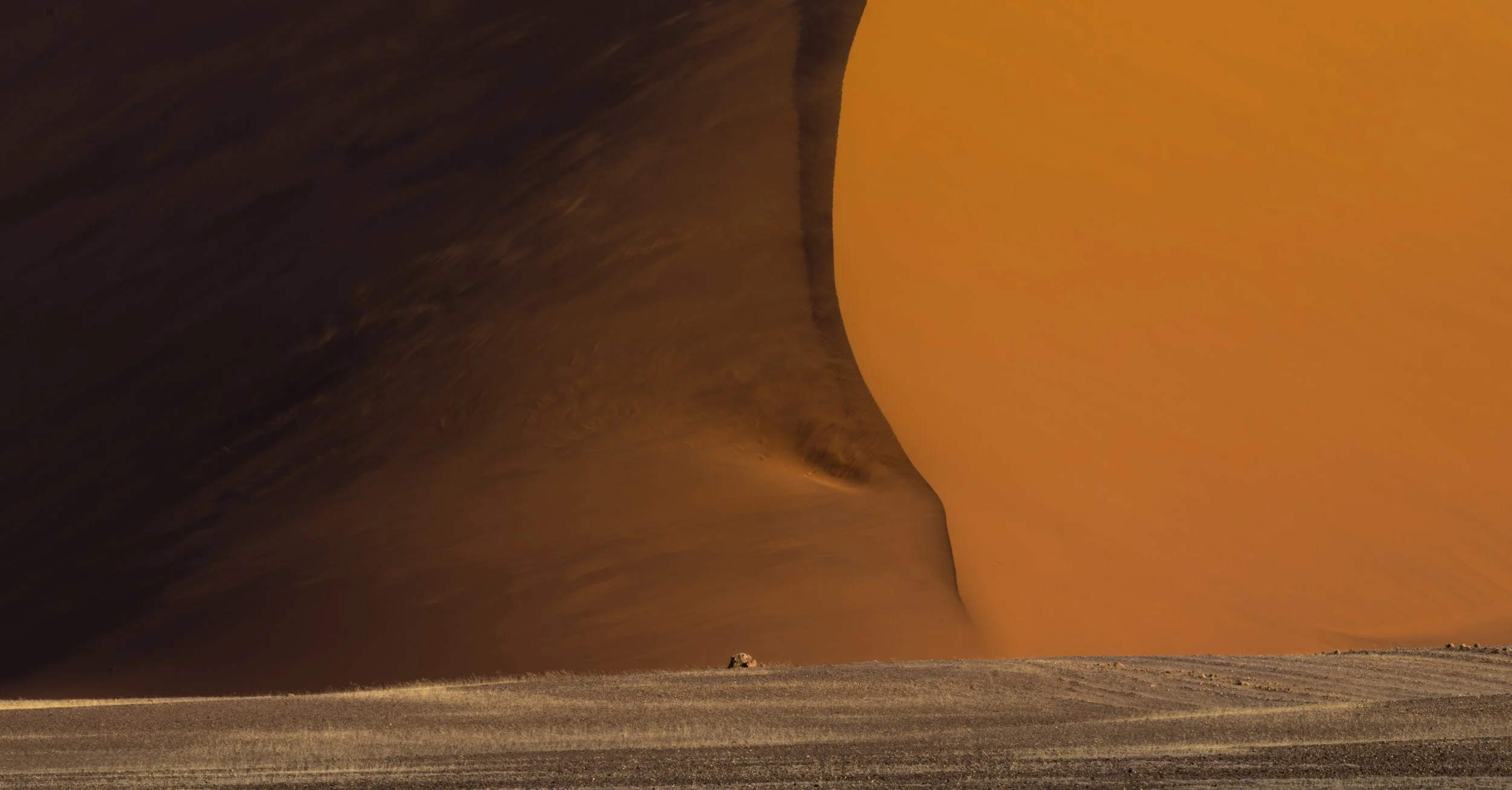
We drove for several hours until we reached the Namib Desert. In this area we stayed at Sossusvlei Lodge (link). The Namib is among the oldest deserts on Earth: towering dunes, absolute silence, and a light that—at sunrise and sunset—carves razor-sharp shadows and incredible contrasts across the sand.
Sossusvlei & Deadvlei
Sossusvlei is remote and has several viewpoints and sites to explore, but the most iconic is Deadvlei: a white clay pan framed by red dunes, dotted with long-dead camelthorn trees that look like sculptures. It’s a perfect place to learn some hands-on geology while you chase that golden light and photograph the textures, ridgelines, and wind-drawn patterns on the dunes.
Suggested photo: Deadvlei at sunrise with a dune in the background and the acacias casting long shadows.
From the Air
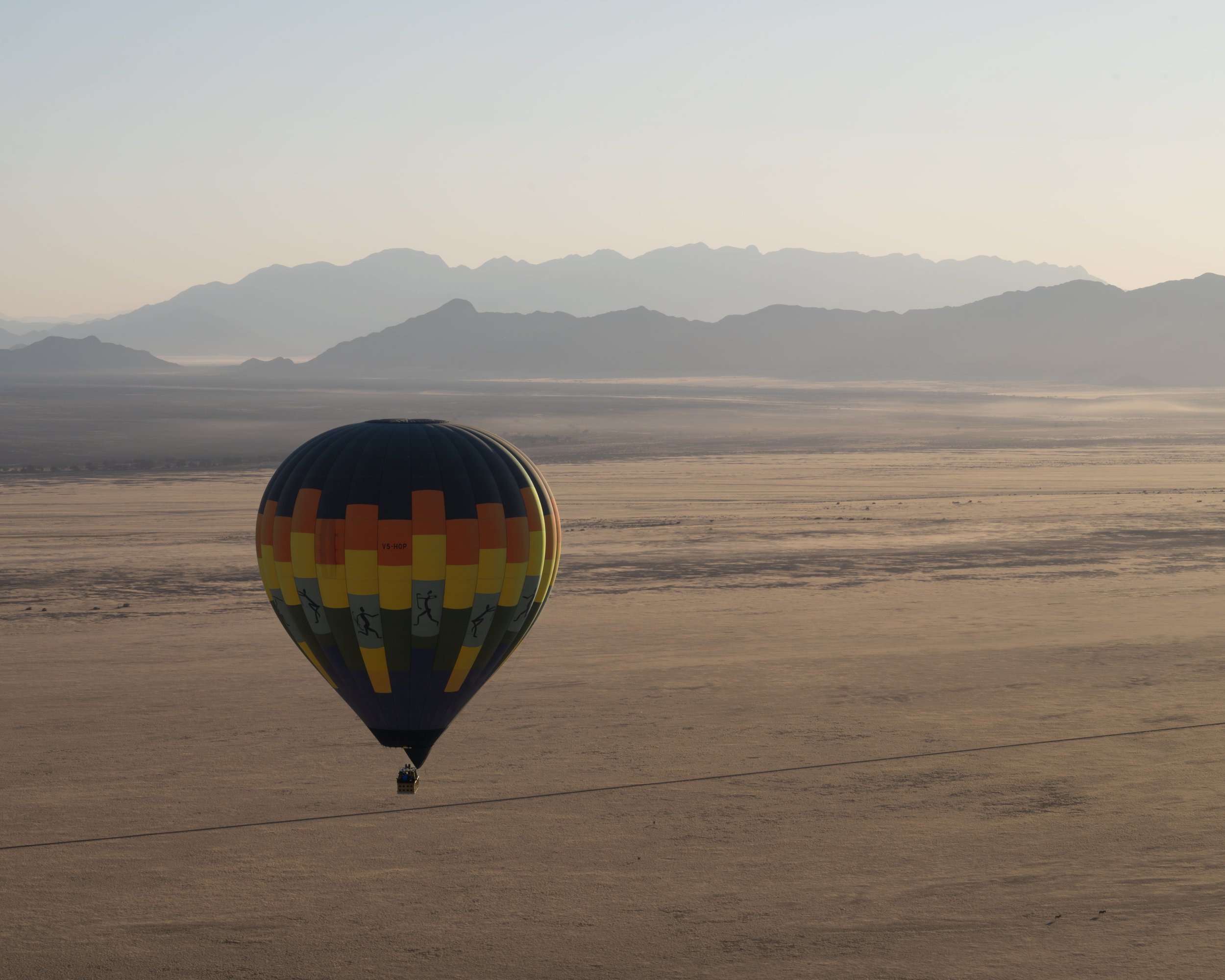
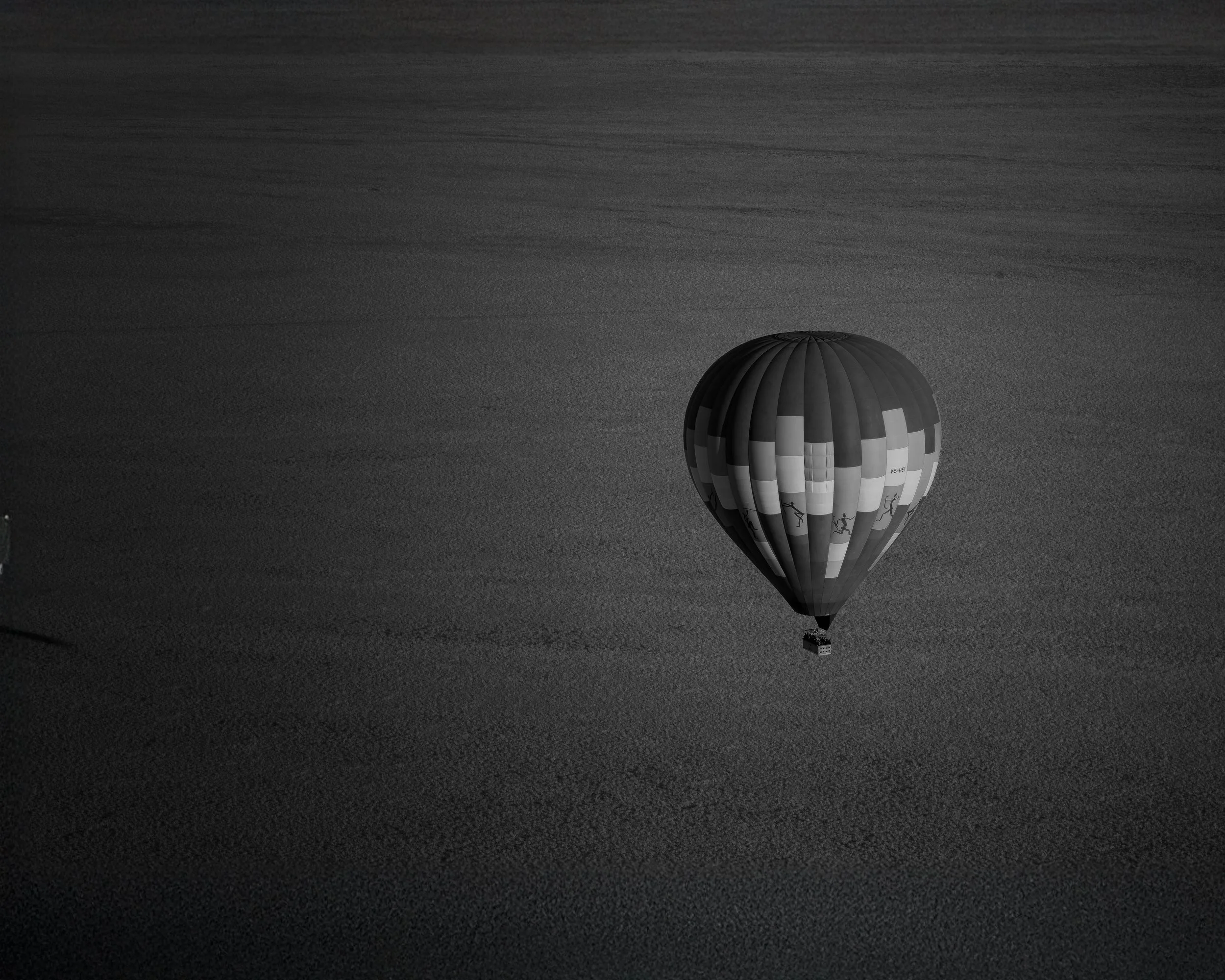
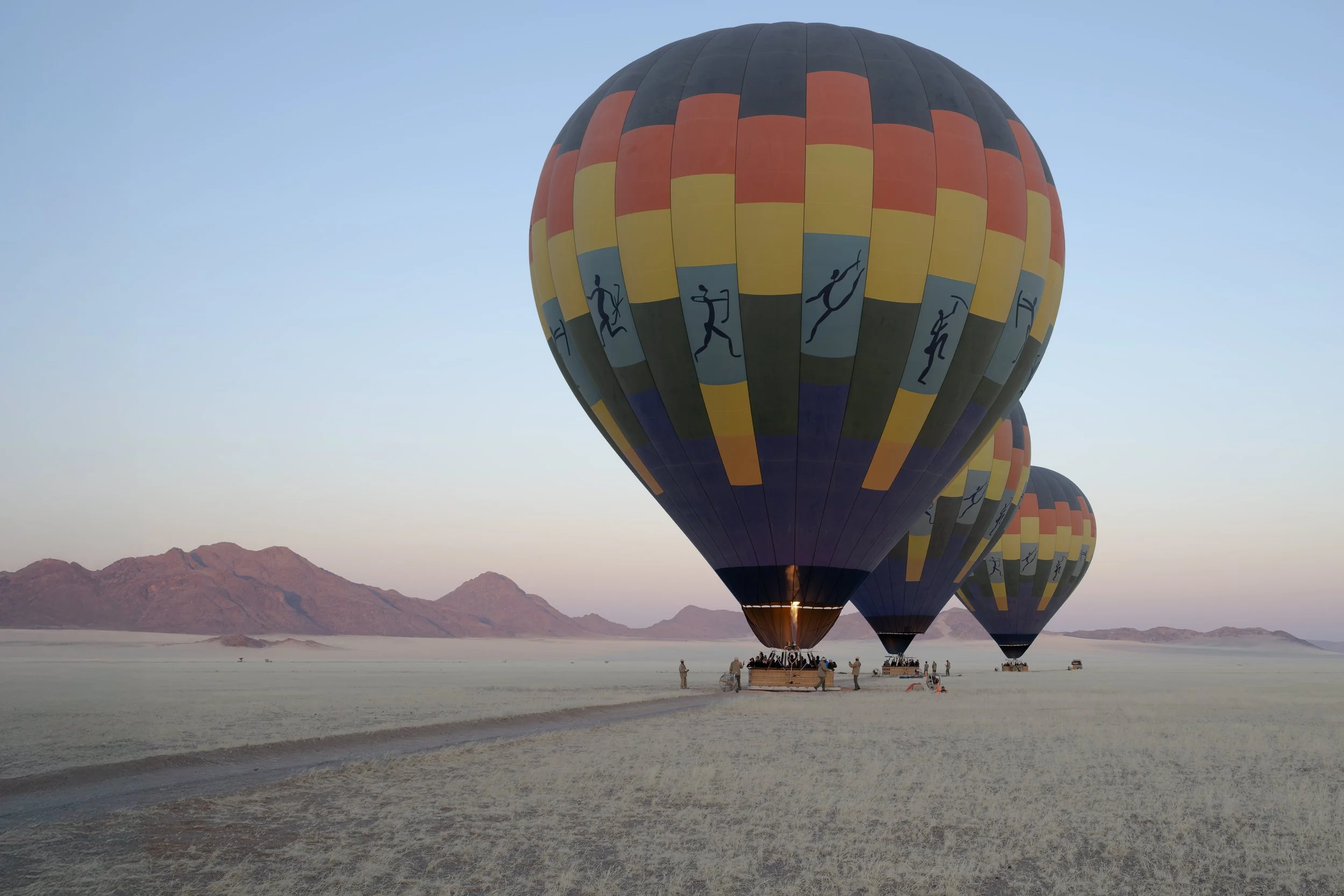
For a different perspective, hot-air balloon rides and scenic flights start before dawn and typically include very complete service. The price is higher, but if your goal is to see—or photograph—epic landscapes from an unconventional angle, it’s absolutely worth it.
From Dunes to Sea: Swakopmund
We packed up and headed to the coastal city of Swakopmund, with German heritage, where the desert meets the Atlantic. Thanks to the local climate and geography, the sands of the Skeleton Coast slowly encroach on the town. Walking its European-style streets in the fog, with dunes on the horizon, feels surreal—and beautiful.
Northbound: Etosha National Park
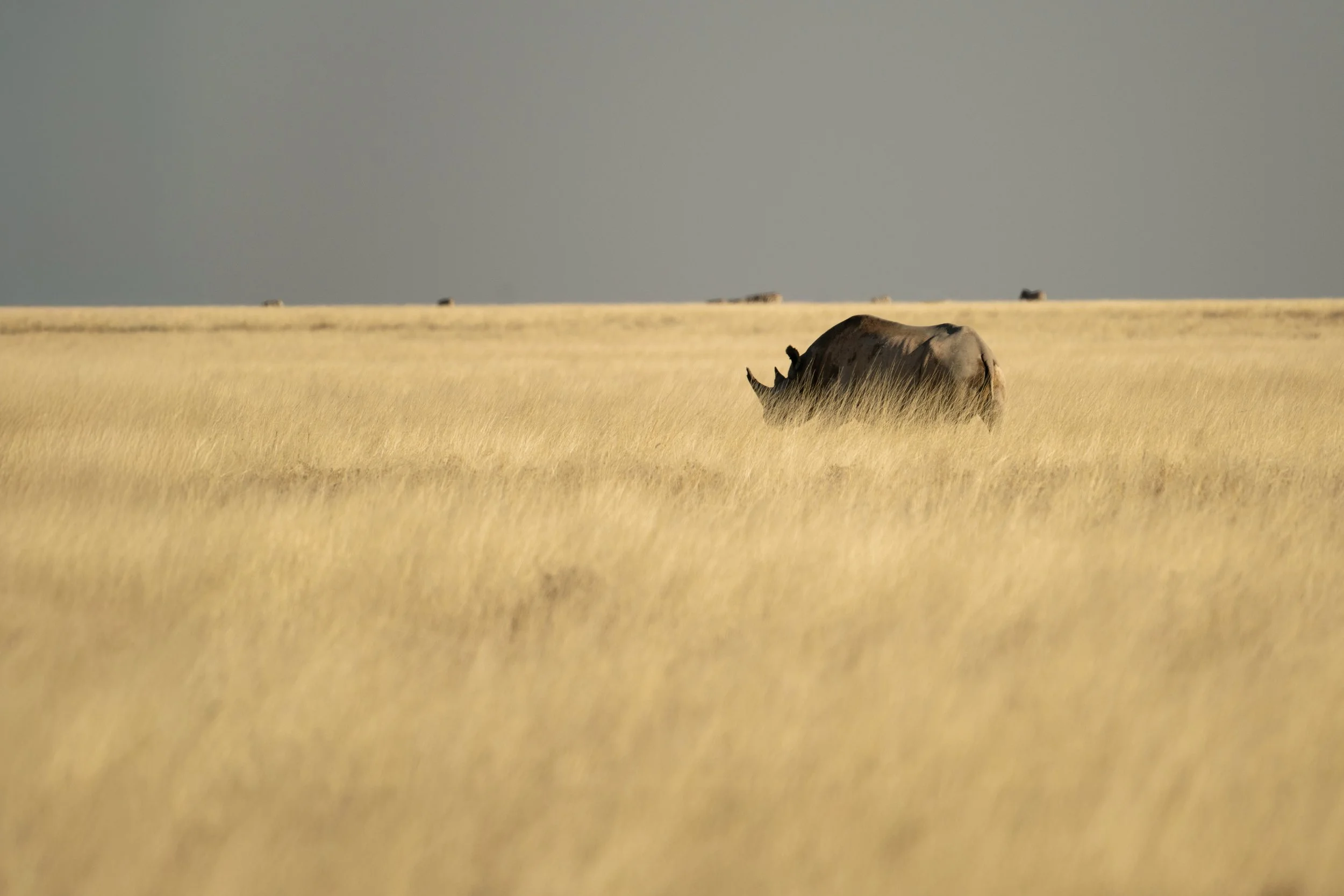
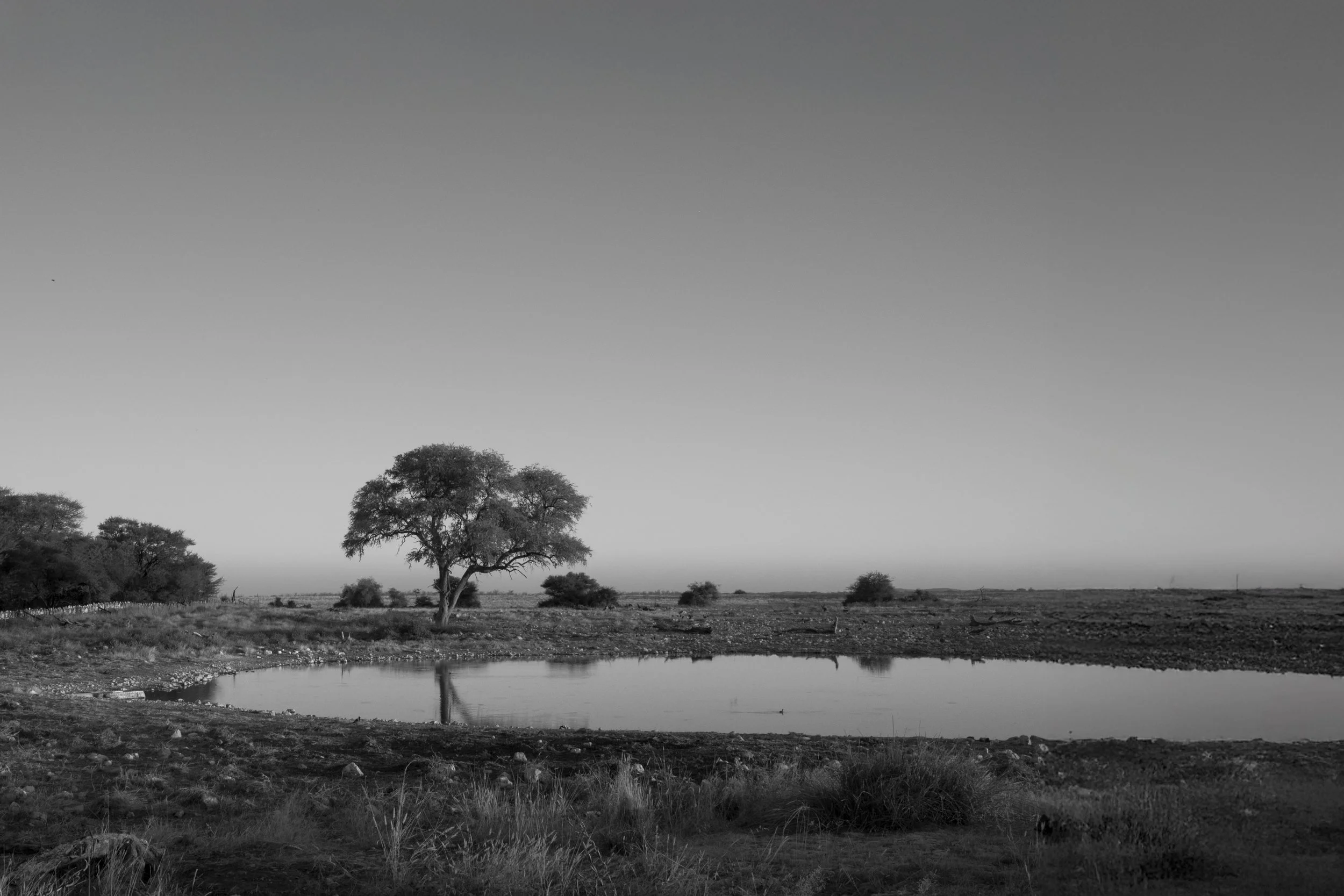
Our final destination was Etosha National Park, where we stayed at Okaukuejo and Halali. Pro tip: enter with your camera ready; wildlife can appear when you least expect it. I was surprised by a rhinoceros just a few meters from the gate—a jolt of adrenaline I won’t forget.
Suggested photo: A rhinoceros crossing the track, shot low with a telephoto.
Essential Rules to Respect
Do not get out of the vehicle or climb onto the roof.
Don’t bring in plastics; take all your trash out with you.
Avoid loud noises.
Drive at a prudent speed.
Never touch or feed the animals.
How to See More (and Better)
As with most nature trips, do a bit of research beforehand. If there’s a species you’re hoping to see or photograph, learn its behavior and typical activity times. That knowledge helps you anticipate movements and increase your chances of sightings (and strong photos).
Good luck—and good light! 🌅📷